What Does Dreaming About Gravestone Mean?
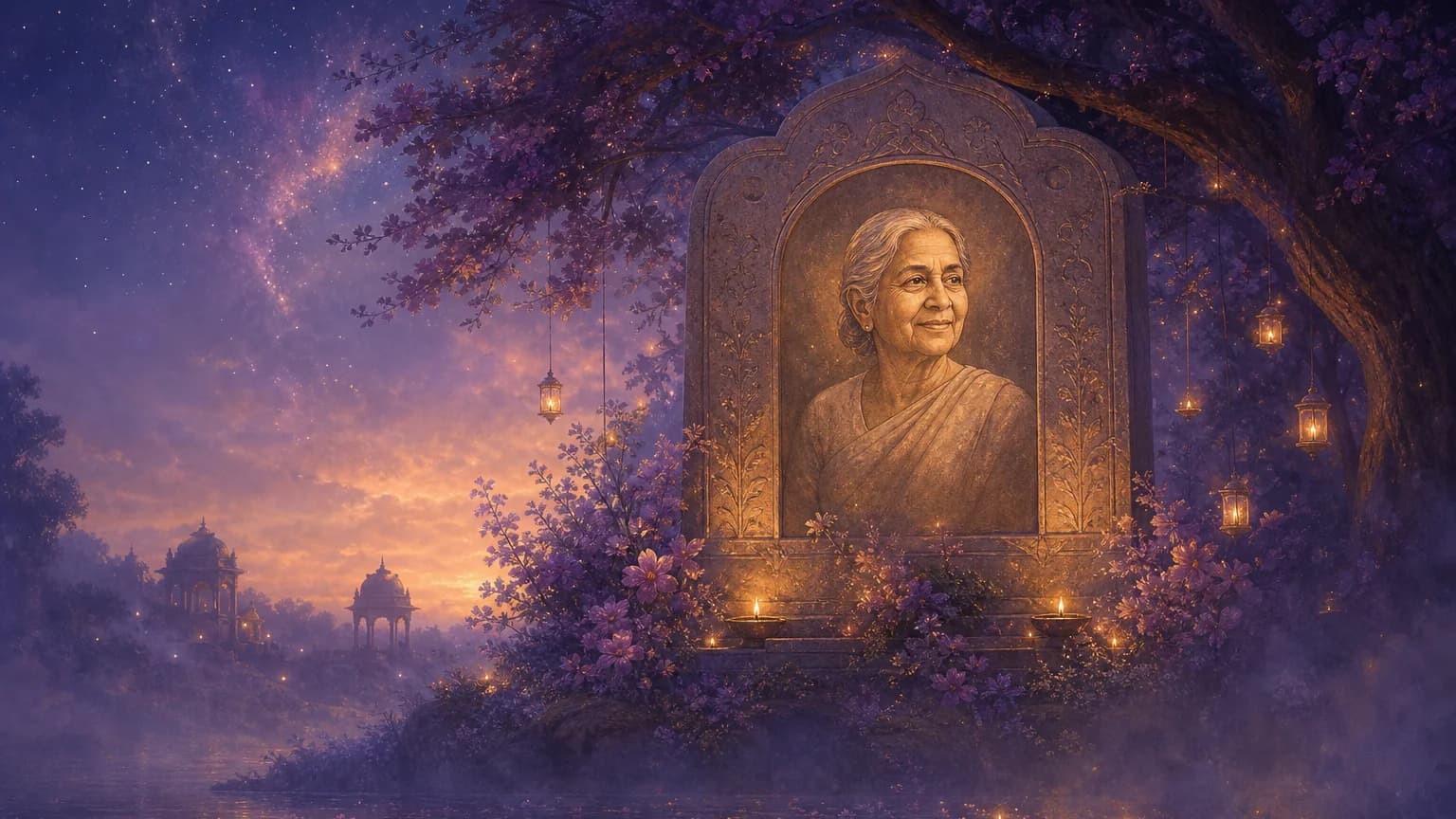
A marker bearing a name, the gravestone is read in interpretation as being remembered, a trace left behind, and an account that has closed.
📌 Short Meaning
Speaks of being remembered, a trace left behind, a person whose name is spoken, and an account closed but not forgotten.
Did you also dream about gravestone? Tell us the details and get a personalized interpretation.
→Broader Topic
This dream is a specific variation of Dream About Grave. Read the general interpretation.
In This Interpretation
Classical sources: Ibn Sirin, Al-Nabulsi, Ja'far al-Sadiq
Dream About Gravestone: Detailed Interpretation
What stays in the mind after a gravestone dream is usually the writing: a name, a date, and behind them a great silence. Old interpreters count the grave the closing of an era and read the stone as the note set down upon that closing. Whether the writing can be read is discussed separately.
Interpretation Based on the Writing on the Stone
Being able to read the name on the gravestone points to a matter to be remembered concerning that person and to a prayer that ought to be made. The writing being worn or unreadable is read as a keepsake fading toward forgetting. Seeing one's own name on a gravestone is counted by the interpreters not death but the closing of an era and long life.
Interpretation Based on the State of the Stone
A new and well-kept gravestone points to someone whose memory is being honored and to a faithfulness carried out. A toppled or broken stone is read as a keepsake neglected and as a right forgotten. New writing being carved into the stone shows that a matter will at last be set down on record.
Interpretation Based on Visiting and Prayer
Praying at the head of the gravestone points to making peace with the one left behind and to paying a debt of the heart. Wiping and cleaning the stone is read in the classical books as keeping a memory alive and as continuing in faithfulness. Seeing the stone from a distance and being unable to approach points to a loss not yet faced.
🕌 Islamic Dream Interpretation
In classical interpretation the grave is read as the closing of an era and as the remembrance of the hereafter. The marker upon it is tied to a name being spoken and to a right left behind; the sources read visiting and prayer as good.
The Gravestone According to Ibn Sirin
Ibn Sirin reads the grave as the closing of an era and as repentance. Of the one who prays at a graveside it is told that their heart will soften. Seeing one's own name on a stone he counts not death but long life and the ending of a season.
The Gravestone in Al-Nabulsi's Interpretation
Al-Nabulsi ties the writing on the stone to a name being spoken. Worn writing he reads as a keepsake fading toward forgetting. Wiping and cleaning the stone he counts as continuing in faithfulness and as delivering a right.
The Gravestone in Ja'far al-Sadiq's Classification
By Ja'far al-Sadiq's method the gravestone is read in four directions: being remembered, a trace left behind, a debt of the heart to be paid, and an account that has closed. Praying at the stone and making peace is the most auspicious. A broken stone asks for faithfulness.
🧠 Psychological Interpretation
What remains from this dream is usually a quiet sadness: something has ended and its name has been written somewhere. Psychology reads the gravestone as the image of mourning and of farewells still waiting to be completed.
Jung's Archetypal Approach
In the Jungian approach the grave and its marker are the record-keeping face of the death and rebirth archetype. The stone symbolizes the formal shape the self gives to an identity it has left behind. Seeing one's own name points to an old role being consciously ended.
Freud's Unconscious Interpretation
From the Freudian perspective writing that cannot be read is a memory that has not fully surfaced into consciousness. Praying at the stone corresponds to unfinished mourning being worked through. Looking from a distance without approaching is the unconscious counterpart of resistance to facing a loss.
Reflection in Daily Life
Those who could not fully live their grief after a loss, those who parted from a relative without making peace, and those wishing to formally close a chapter see this dream often. The question the symbol carries is this: whose name is on the stone, and to whom are you going to say goodbye? The dream calls the dreamer to complete the farewell.
Dream About Gravestone: Common Variations
Reading a Gravestone
Points to a matter to be remembered and to a prayer that ought to be made.
Seeing Your Own Gravestone
Counted not death but the closing of an era and long life.
A Broken Gravestone
Read as a keepsake neglected and a right forgotten.
Cleaning a Gravestone
Points to keeping a memory alive and continuing in faithfulness.
Frequently Asked Questions
What does a gravestone in a dream tell?
A gravestone in a dream tells of being remembered, of a trace left behind, and of an account closed but not forgotten. Old interpreters count the grave the closing of an era and read the stone as the note set down upon that closing.
A new and well-kept stone points to someone whose memory is being honored and to a faithfulness carried out, while a broken one points to neglect. Whether the writing can be read is discussed separately.
What does seeing your own gravestone mean in religious interpretation?
In religious interpretation seeing one's own name on a gravestone is counted not death but the closing of an era and long life. Ibn Sirin reads it exactly so and ties the grave to repentance and to the remembrance of the hereafter.
Of the one who prays at a graveside it is told that their heart will soften, which the sources count among the good readings of this symbol. New writing carved in the stone shows a matter set down at last.
How is worn writing on a gravestone read?
The writing being worn or unreadable is read as a keepsake fading toward forgetting; Al-Nabulsi ties it directly to that. New writing being carved into the stone shows that a matter will at last be set down on record.
Being able to read the name points to a matter to be remembered concerning that person and to a prayer that ought to be made in their name. A well-kept stone points to a memory being honored.
What does a gravestone symbolize psychologically?
Psychologically a gravestone symbolizes mourning and farewells still waiting to be completed. In the Jungian approach the grave and its marker are the record-keeping face of the death and rebirth archetype, and the stone is the formal shape the self gives to an identity it has left behind.
From the Freudian perspective unreadable writing is a memory not fully surfaced. Looking from afar without approaching is resistance to facing a loss.
Is cleaning a gravestone counted auspicious?
Wiping and cleaning the stone is read in the classical books as keeping a memory alive and as continuing in faithfulness; Al-Nabulsi counts it delivering a right and finds it auspicious. Praying at the head of the stone points to making peace with the one left behind and to paying a debt of the heart.
Seeing the stone from afar without approaching is a loss not yet faced. A toppled stone, by contrast, points to a right forgotten.
Related Dreams

Dream About Grave
Symbolizes endings, memories, spiritual awakening, afterlife contemplation, and the past.
Dream About Cemetery
Represents the past, memories, closure, contemplation of the afterlife, and awareness of life's transience and human mortality.
Dream About Funeral
Represents the closure of a life phase, farewell, transformation, and spiritual awakening or renewal.
Dream About The Dead
A message from the past, spiritual warning, longing, and unresolved matters symbolized in dreams.
Dream About Prayer
Prayer symbolizes supplication, hope, seeking divine help, and surrender to a higher power.
Dream About Revival
Symbolizes blessing and advancement in work and family life, the resolution of problems, effort finding its reward, prayers being answered, and reaching relief.
Related Guides
Islam and Dreams
Islam and dreams: dreams in the Quran, types of dreams in the hadith, the methodology of Ibn Sirin, Nablusi, and Ja'far al-Sadiq, true dreams, and the rules of Islamic interpretation.
About Istikhara
What is istikhara, how is it performed, the istikhara prayer and dua, and how to interpret the istikhara dream. A comprehensive Islamic guide.
Interpret Your Own Dream
Match the symbols in your specific dream against the classical sources (Ibn Sirin, Al-Nabulsi) and modern psychology literature (Jung, Freud) with our interpreter. To interpret it yourself, read our step-by-step guide.
🌙 Interpret My Dream