What Does Dreaming About Baklava Mean?
Dreaming of baklava symbolizes sweet news, blessings, abundance, and celebration.

📌 Short Meaning
Represents sweet news, blessings, abundance, celebration, and material gain.
Did you also dream about baklava? Tell us the details and get a personalized interpretation.
→In This Interpretation
Classical sources: Ibn Sirin, Al-Nabulsi, Ja'far al-Sadiq
Modern psychology: Jung
Dream About Baklava: Detailed Interpretation
Dreaming of baklava is interpreted as a herald of sweet news to come, prosperous periods, and long-awaited positive developments manifesting in one's life. As one of Turkish cuisine's most treasured pastries, baklava in dream symbolism represents wealth, abundance, sharing, and celebration. Its layered structure points to multifaceted gains in life and the sweet results obtained as reward for one's efforts.
Interpretation Based on How Baklava is Eaten
Eating baklava in a dream signifies material gain, receipt of expected money, and sweet news. Eating baklava with appetite indicates that the person will soon receive good tidings and find peace. Offering baklava to someone else is interpreted as generosity, a joyful celebration, and increased respect in one's social circle. Sharing baklava suggests a period when family unity and togetherness will strengthen.
Interpretation Based on the Condition of Baklava
Seeing fresh, warm baklava indicates joy to be experienced soon, celebration, or the realization of an anticipated success. Stale or dry baklava suggests the recollection of a past missed opportunity and the emergence of a chance to make amends. Seeing spoiled baklava may indicate a delay in expected news.
Interpretation Based on Type of Baklava
Walnut baklava is interpreted as prosperous earnings, pistachio baklava as prestigious success, and plain baklava as simple but lasting happiness. Baklava on a tray indicates that anticipated good news will soon come to light.
Reflection on Work and Family Life
Baklava dreams in work life may signify long-awaited promotion, bonus, or partnership offers; in family life, they may indicate joyful events such as engagements, weddings, or births.
🕌 Islamic Dream Interpretation
In Islamic dream interpretation tradition, sweet foods generally point to goodness, blessings, lawful sustenance, and divine favors. Seeing carefully prepared precious sweets like baklava is interpreted as the person entering a period of spiritual and material abundance in their life.
Baklava According to Ibn Sirin
According to Ibn Sirin's interpretations of sweet foods, seeing a beautiful and fragrant sweet in a dream indicates lawful earnings, peace of mind, and glad tidings. Sweets like baklava, which are served on special occasions, indicate that the person will soon participate in a festival, wedding, or celebration. Eating baklava is interpreted as one's prayers being answered and a long-awaited wish coming true.
Baklava According to Al-Nabulsi
In Al-Nabulsi's interpretation tradition, carefully prepared sweets point to news that will bring peace to one's heart and happiness within the family. Offering baklava signifies receiving prayers of goodwill in return for generosity and an increase in social standing. Sharing baklava with another indicates a joint gain or shared joy soon to be experienced.
Baklava According to Ja'far al-Sadiq
In interpretations attributed to Ja'far al-Sadiq, seeing sweets is understood through different doors of blessing such as knowledge, love, lawful wealth, and the joy of children. Seeing baklava in this context indicates increased blessings in the family, good news regarding children, and one's efforts bearing sweet fruit.
🧠 Psychological Interpretation
Modern psychology relates seeing special sweets like baklava to the emotional motivations underlying such dreams, connecting them to one's needs for satisfaction, reward, and celebration. These dreams typically indicate a desire for relaxation following intense effort and a wish to treat oneself well.
Jung's Archetypal Approach
In Jung's analytical psychology, baklava is connected with archetypes of abundance and merriment. Its layered structure symbolizes the intertwined richness of consciousness and the unconscious; its golden appearance represents inner treasures revealed through the illumination of the shadow. The person experiencing this dream may be at an important stage in expressing themselves and sharing their creative potential.
Freudian Unconscious Interpretation
According to the Freudian approach, sweet foods are direct representations of the pleasure principle. Seeing baklava can indicate a desire for suppressed desires to be satisfied and a longing for safe, love-filled moments from childhood. Sharing sweets reflects an expression of the need for emotional intimacy in close relationships.
Reflection in Daily Life
The person who dreams of baklava is often someone who has long neglected themselves and believes they have not received adequate reward for their efforts. This dream draws attention to the importance of celebrating small successes, appreciating life's sweet moments, and increasing sharing with loved ones.
Dream About Baklava: Common Variations
Eating Baklava
Signifies material gain, sweet news, and joy.
Offering Baklava
Indicates generosity and a joyful celebration.
Frequently Asked Questions
What sweet news does a baklava dream herald?
Baklava heralds sweet news on its way, prosperous periods and long-awaited good developments taking shape. In dream symbolism it represents wealth, abundance, sharing and celebration, its layered structure pointing to many-sided gains earned through effort. At work it may signal an awaited promotion, bonus or partnership offer; in family life, joyful events such as engagements, weddings or births.
What does eating baklava in a dream mean?
Eating baklava signifies material gain, expected money arriving and sweet news; eating it with appetite means good tidings soon bringing peace. In Ibn Sirin's readings of sweets, a beautiful, fragrant dessert indicates lawful earnings and ease of heart, and sweets served on special occasions promise a festival, wedding or celebration ahead. Eating baklava reads as prayers answered and a wish come true.
What does offering or sharing baklava signify?
Offering baklava to someone reads as generosity, a joyful celebration and rising respect in your social circle; Al-Nabulsi ties it to prayers of goodwill received in return for an open hand. Sharing baklava marks a period of family unity strengthening, a joint gain, or a joy soon to be lived together. In the tradition, the offered sweet stands for kindness returning to its giver multiplied.
Is stale or spoiled baklava a bad sign?
Not entirely. Fresh, warm baklava indicates joy or an anticipated success arriving soon, while stale or dry baklava recalls a missed opportunity and the emergence of a chance to make amends.
Spoiled baklava may mark expected news being delayed rather than lost. The variety colors the reading too: walnut for prosperous earnings, pistachio for prestigious success, plain for simple, lasting happiness.
What does the baklava dream reveal psychologically?
Jung connects baklava to the archetypes of abundance and merriment: the layers mirror the intertwined richness of conscious and unconscious, the golden surface an inner treasure revealed. Freud reads sweets as the pleasure principle itself, longing for childhood's safe, loving moments. The dream often visits those who have neglected themselves, urging them to celebrate small wins and share more.
Related Dreams
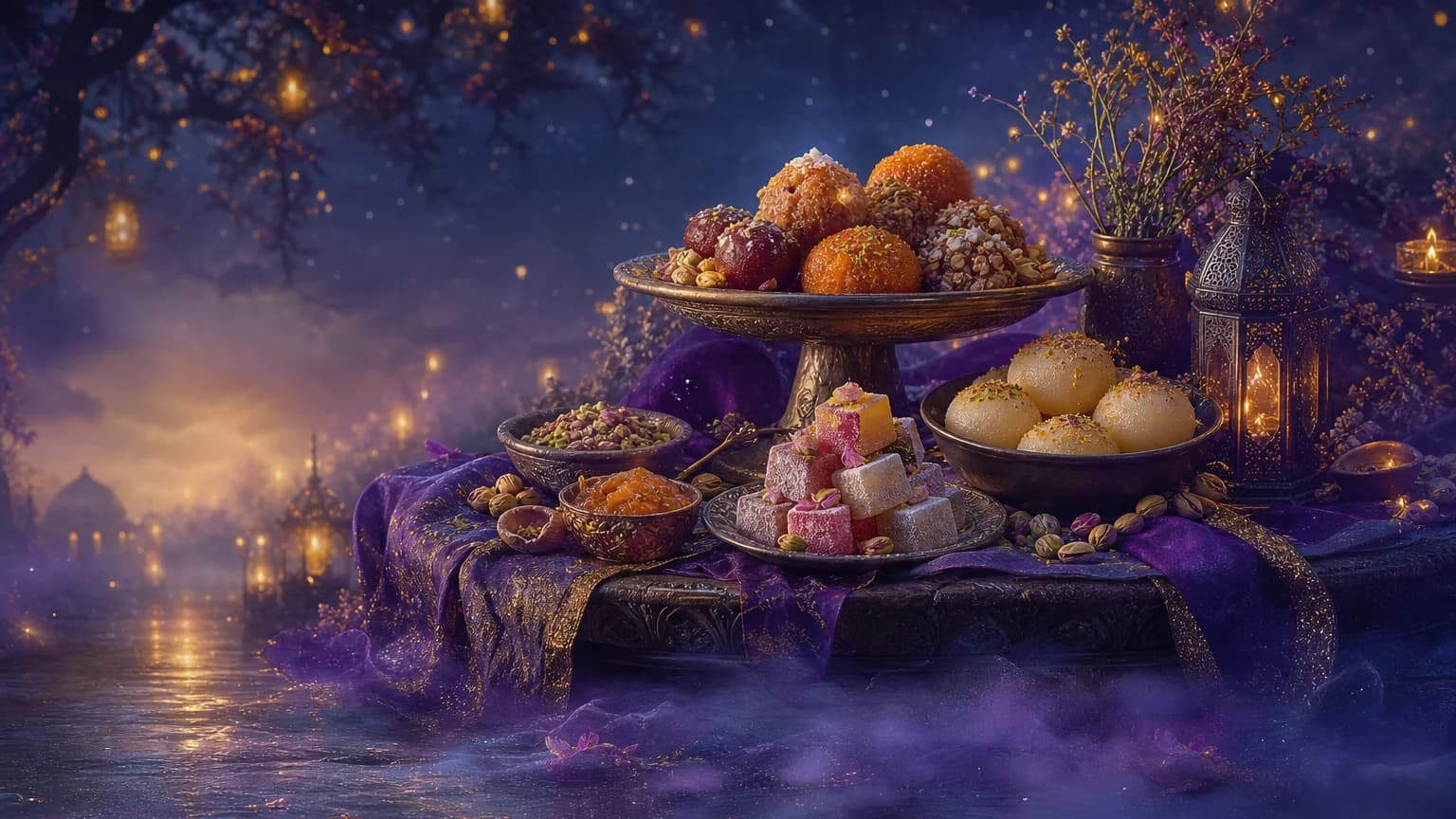
Dream About Sweets
A harbinger of joyful news, positive developments, and reaping the sweet fruits of one's labor and efforts.

Dream About Honey
Represents healing, abundance, sweet speech, spiritual blessing, and righteous earnings.

Dream About Money
Symbolizes sustenance, lawful earnings, opportunity, and self-worth.

Dream Of Cooking Meatballs
Symbolizes the completion of a long-standing effort, abundance at the family table, and earning the reward of one's work.
Dream Of Baking Bread
Points to new doors of provision opening, lawful earnings, and abundance at home.
Dream Of Making Börek
Signals the completion of a careful effort and abundance at the family table.
Related Guides
Islam and Dreams
Islam and dreams: dreams in the Quran, types of dreams in the hadith, the methodology of Ibn Sirin, Nablusi, and Ja'far al-Sadiq, true dreams, and the rules of Islamic interpretation.
What Is a Dream?
What is a dream, how is it formed, and why do we dream? An Islamic, psychological, and scientific definition of dreams, their history, and their meaning in our lives.
Interpret Your Own Dream
Match the symbols in your specific dream against the classical sources (Ibn Sirin, Al-Nabulsi) and modern psychology literature (Jung, Freud) with our interpreter. To interpret it yourself, read our step-by-step guide.
🌙 Interpret My Dream